
Managing Night Sweats and Other Common Symptoms
Night sweats and hot flashes can disrupt sleep and daily life during menopause. Explore medical and lifestyle strategies to restore hormonal balance.
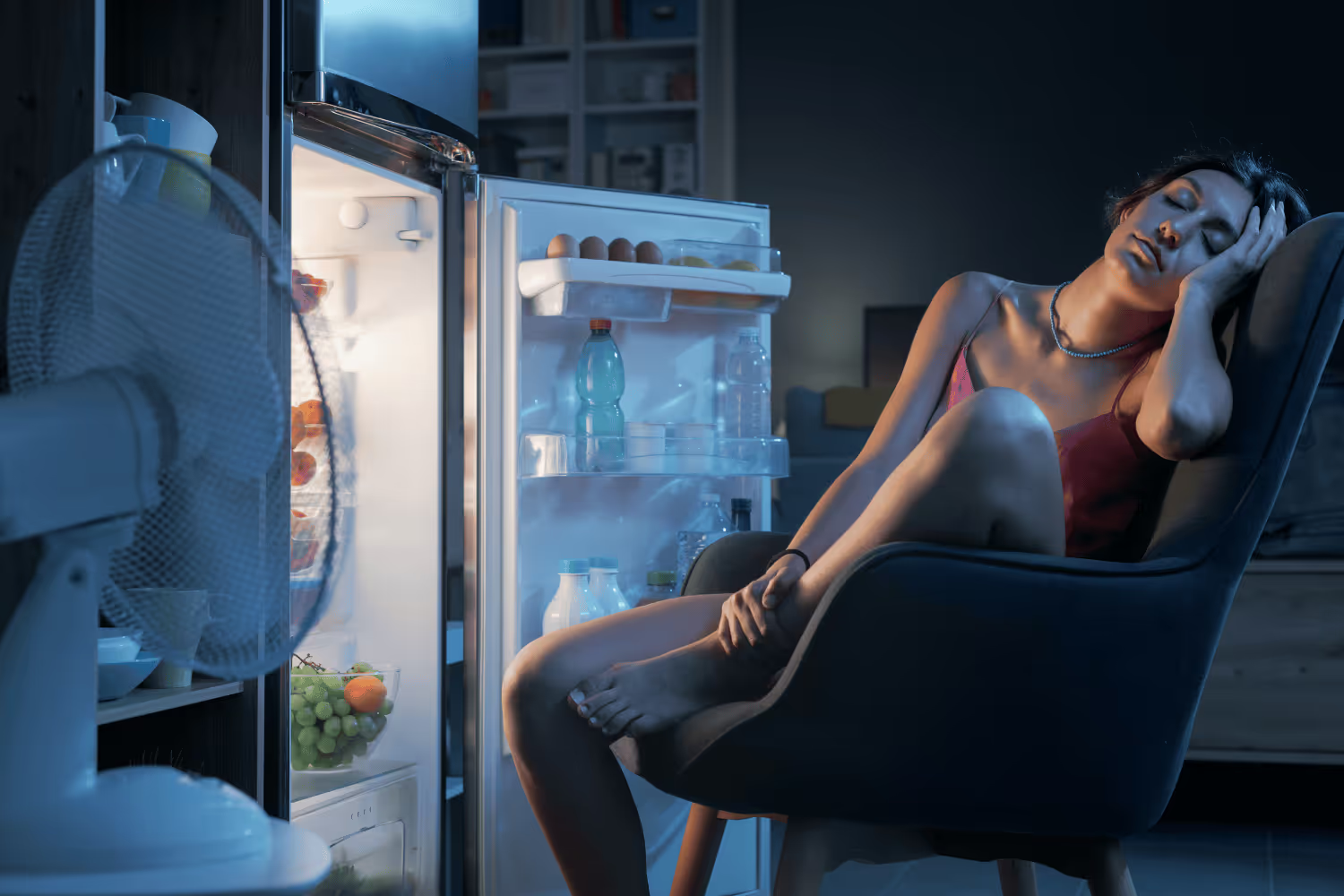
Medical and lifestyle strategies to relieve hot flashes, improve sleep, and restore balance during menopause
For many women, menopause brings changes that are both unexpected and disruptive. One of the most common and frustrating symptoms is night sweats. Waking up overheated, drenched in sweat, or struggling to fall back asleep can take a serious toll on energy, mood, and overall quality of life. And while night sweats often get the most attention, they rarely occur alone.
Hot flashes, sleep disturbances, mood changes, brain fog, and fatigue are all part of the broader hormonal transition that occurs during menopause. Understanding what’s happening in the body, and knowing that effective options exist, is an important first step toward relief.
At MEDgevity, we approach menopause management with a personalized, whole-body perspective. In this article, we’ll explore why night sweats happen, how they’re connected to other menopausal symptoms, and practical medical and lifestyle strategies for managing night sweats and improving overall well-being.
Why Night Sweats Are So Common During Menopause
Night sweats are essentially hot flashes that occur during sleep. They’re triggered by changes in the body’s temperature regulation system, which becomes more sensitive as estrogen levels fluctuate and decline during perimenopause and menopause.
Estrogen plays a key role in regulating the hypothalamus, the part of the brain responsible for maintaining body temperature. When estrogen levels drop, the hypothalamus can misinterpret normal body temperature as being too high, triggering a sudden heat response. This leads to intense warmth, sweating, and sometimes a rapid heartbeat.
Because these episodes often happen at night, they can severely disrupt sleep, leaving women feeling exhausted and less resilient the following day.
The Ripple Effect: How Night Sweats Impact Sleep and Daily Life
Poor sleep doesn’t just cause fatigue; it affects nearly every aspect of health. Frequent night sweats can fragment sleep cycles, reducing time spent in restorative deep and REM sleep. Over time, this can contribute to mood changes, increased anxiety, difficulty concentrating, and lower stress tolerance.
Many women also notice that sleep disruption worsens other menopausal symptoms, creating a cycle in which hormonal changes, night sweats, and poor sleep reinforce one another. This is why managing night sweats isn’t just about comfort at night; it’s about supporting overall physical and emotional health.
Other Common Menopausal Symptoms Linked to Hormonal Changes
Night sweats often occur alongside a range of other symptoms caused by shifting hormone levels. Hot flashes during the day, increased irritability, mood swings, brain fog, joint discomfort, and changes in weight distribution are all common experiences during menopause.
Some women also notice increased sensitivity to stress, changes in heart rate, or feelings of restlessness. While the intensity and combination of symptoms vary from person to person, they all stem from the same underlying hormonal transition.
Understanding this connection helps reframe menopause not as a collection of isolated symptoms, but as a systemic shift that benefits from a comprehensive management approach.
Lifestyle Strategies for Managing Night Sweats
For many women, small adjustments to daily habits can make a meaningful difference in symptom severity. While lifestyle changes may not eliminate night sweats entirely, they often help reduce frequency and intensity.
Creating a sleep environment that supports temperature regulation is an important starting point. Keeping the bedroom cool, using breathable bedding, and wearing lightweight sleepwear can help the body release heat more effectively. Limiting alcohol, caffeine, and spicy foods, especially in the evening, may also reduce nighttime temperature spikes.
Stress management plays a key role as well. Chronic stress can worsen hot flashes and night sweats by increasing cortisol levels, which further disrupts hormonal balance. Practices such as gentle movement, breathing exercises, and consistent sleep routines can support the nervous system and improve sleep quality.
Nutrition and Its Role in Symptom Relief
Nutrition can significantly influence how the body responds to hormonal changes. Blood sugar fluctuations, inflammation, and nutrient deficiencies may all contribute to more intense menopausal symptoms.
Balanced meals that include protein, healthy fats, and fiber help stabilize blood sugar and support energy levels throughout the day. Staying well hydrated and prioritizing nutrient-dense foods can also support overall metabolic and hormonal health.
Some women find that tracking food triggers helps identify patterns that worsen night sweats, allowing for more personalized adjustments over time.
When Medical Support Becomes Important
While lifestyle strategies are helpful, they may not be enough for everyone. For women experiencing persistent or severe symptoms, medical evaluation can provide valuable insight and relief options.
Hormonal assessments help determine whether symptoms are linked to estrogen decline, progesterone imbalance, or other hormonal factors. At MEDgevity, menopause management begins with comprehensive diagnostics to understand each woman’s unique hormonal profile and then integrates medical expertise, lifestyle guidance, and ongoing monitoring.
By addressing hormonal health alongside sleep, nutrition, stress, and metabolic factors, women are better supported through this transition, not just to manage symptoms, but to feel more like themselves again.
Looking Forward: Menopause as a New Chapter in Health
Menopause marks a significant transition, but it doesn’t have to mean a decline in quality of life. With the right tools, information, and support, many women find that this stage becomes an opportunity to prioritize health in new and meaningful ways.
Managing night sweats and other common symptoms is possible through a thoughtful combination of lifestyle strategies and medical care. At MEDgevity, we’re committed to helping women navigate menopause with confidence, clarity, and personalized support.
Frequently Asked Questions
What causes night sweats during menopause?
Night sweats are caused by hormonal changes, particularly declining estrogen levels, which affect the body’s ability to regulate temperature.
How can I start managing night sweats at home?
Keeping your bedroom cool, avoiding alcohol and caffeine in the evening, managing stress, and maintaining a consistent sleep routine can help reduce symptoms.
Do night sweats go away after menopause?
For many women, night sweats improve over time, but the duration varies. Some women experience symptoms for several years without treatment.
When should I see a doctor about night sweats?
If night sweats are frequent, severe, or disrupting sleep and daily life, a medical evaluation can help identify effective treatment options.
Can hormone therapy help with night sweats?
Yes. For some women, hormone therapy can significantly reduce night sweats and hot flashes when appropriately prescribed and monitored.
.png)
.png)